Madhya Pradesh
Heart of Wild India: Kanha & Bandhavgarh tiger reserves, Khajuraho temples, and Bhedaghat marble gorge
30
Districts
31
Destinations
117
Sights
Heart of Wild India: Kanha & Bandhavgarh tiger reserves, Khajuraho temples, and Bhedaghat marble gorge
30
Districts
31
Destinations
117
Sights
1 destination · 2 sights
Ashoknagar

“Hindu temple in Madhya Pradesh, India”
The Bagalamukhi Temple, Nalkheda is a Hindu temple located on the banks of the Lakhundar River, a tributary of the Narmada River, in Nalkheda, a town in the Agar Malwa district of Madhya Pradesh, India. It is dedicated to the goddess Bagalamukhi, one of the ten Tantric Mahavidya goddesses. She is associated with the colour yellow.

“Fort in India”
Chanderi Fort located at Chanderi in Ashoknagar District of Madhya Pradesh state in India is situated at a distance of 127 km from Shivpuri and 37 km from Lalitpur and about 45 km from Esagarh and 38 km from Mungoali It is located on a hill southwest of the Betwa River. Chanderi is surrounded by hills, lakes and forests and there are several monuments. Chanderi finds mention in Mahabharata. Shishupal was the king of Mahabharata period.
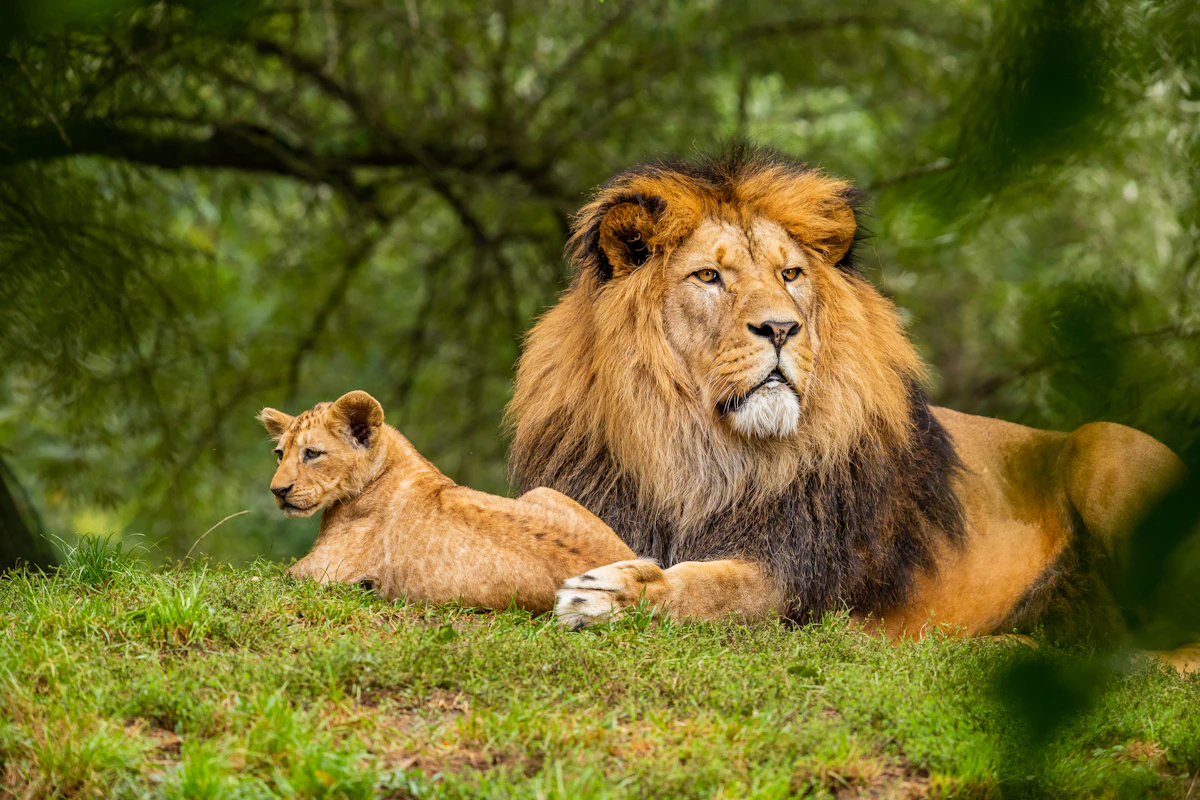
“World-renowned tiger sanctuary with highest wild tiger density set amidst sal forests and sandstone cliffs”
Bandhavgarh National Park (Tala & Magdhi) is a celebrated landmark of Bandhavgarh National Park.

“City in Madhya Pradesh, India”
Bhainsdehi is a city and a Nagar Parishad in Betul district in the state of Madhya Pradesh, India. According to mythological beliefs, Bhainsdehi was known as Mahishmati, the capital of Raghuvanshi King Gaya. Which later changed from Mahishmati to Mahishvati and then to Mahishadehi and then to Bhainsdehi. Kukru is the second highest point of Mahadeo hills. Bhainsdehi is the originating place of the river Purna. It is predominantly a tribal tehsil. Bhainsdehi is surrounded by the mountain ranges of Satpura. Prachin Shiv mandir one of the most beautiful place in Bhainsdehi city

“18th-century palace in India”
Chaman Mahal is a palace in the Bhopal district of Madhya Pradesh, India. It was built by Afghan Commander Dost Mohammad Khan, who was the ruler of Islamnagar in 1715. It is located 11 km away from Bhopal, capital of Madhya Pradesh. 'Chaman' means garden and hence the palace is also known as Garden palace, having an attractive garden in the middle of palace with multiple fountains. The Chaman Mahal is made of sandstone in Mughal and Malwa style of architecture and has 12 gates at the entrance, with Bengali-influenced drooping eaves. It is a red sandstone structure built by Dost Mohammad Khan.

“Historical in Chhatarpur”
Gulganj Fort is an eighteenth century fort in the Chhatarpur district in Madhya Pradesh. Located at the top of a hill, It is built in the Bundeli architecture style. It was used as a residence and at a same time, also used as a defensive structure. Under British Raj, the fort was used as a local administrative headquarters. The fort is a typical garhi - that is defined in local language as a small fort at top of hill near a source of water hidden in forest or trees and away from the main paths. It is believed that the fort was built by King Sawant Singh for his mistress Gulbai.

“Historical fort in Madhya Pradesh, India”
The Deogarh Fort or Devgarh Fort is an old fort in Chhindwara district, Madhya Pradesh, India. It was the capital of a Gond Dynasty and is in the village of Devgarh, 42 km from the district headquarters Chhindwara and 22 km from Umranala. It spreads over a hill 650 m (2132.55 ft) high.

“17th-century palace in Datia, Madhya Pradesh, India”
Datia Palace, also known as Bir Singh Palace or Bir Singh Dev Palace, is situated nearly 75 km from Gwalior city in Madhya Pradesh. The specialty of the palace is that it has 7 floors and no member of the royal family lived in the palace. The founder of the Datia State in Bundelkhand - Maharaj Birsingh Deo Build many such 52 monuments all around the country. Datia Palace is also known as Satkhanda Palace, Datia Mahal, and Purana Mahal or the "Old Palace". Historian Abdul Hamid Lahori came to this city with Shah Jahan on 19 November 1635.
Chhatarpur
21 sights
 Bhojshala and Kamal Maula’s Mosque
Dhar
11 sights
 Bhojtal
Bhopal
8 sights

Niwari
7 sights
 Chaturbhuj Temple
Gwalior
6 sights
 Bahuti Falls
Rewa
6 sights
 Bargi Dam
Jabalpur
5 sights
 Gohad Fort
Morena
4 sights
 Bhimbetka rock shelters
Raisen
4 sights
 Gopal Mandir
Ujjain
4 sights
Umaria
3 sights
 Christ Church, Dr.Ambedkar Nagar
Indore
3 sights
 Nachna-Kuthara
Panna
3 sights
 Eran
Sagar
3 sights
 Bansagar Dam
Satna
3 sights
 Madikheda Dam
Shivpuri
3 sights
Chanderi FortAshoknagar
2 sights
Datia PalaceDatia
2 sights
 Kheoni Wildlife Sanctuary
Dewas
2 sights
Mandla & Balaghat
2 sights
 Nand Chand, Madhya Pradesh
Katni
2 sights
 Dharmrajeshwar
Mandsaur
2 sights
 Jatashankar
Narmadapuram
2 sights
 Jain temples, Vidisha
Vidisha
2 sights
Bagalamukhi TempleAgar Malwa
1 sight
BhainsdehiBetul
1 sight
Gulganj FortChhatarpur
1 sight
Deogarh FortChhindwara
1 sight
 Nava Toran Temple
Neemuch
1 sight
 Virateshwar temple, Sohagpur
Shahdol
1 sight
 Sun Temple, Madkhera
Tikamgarh
1 sight